

Rediscovering a Japanese Classic in Alpine Terrain
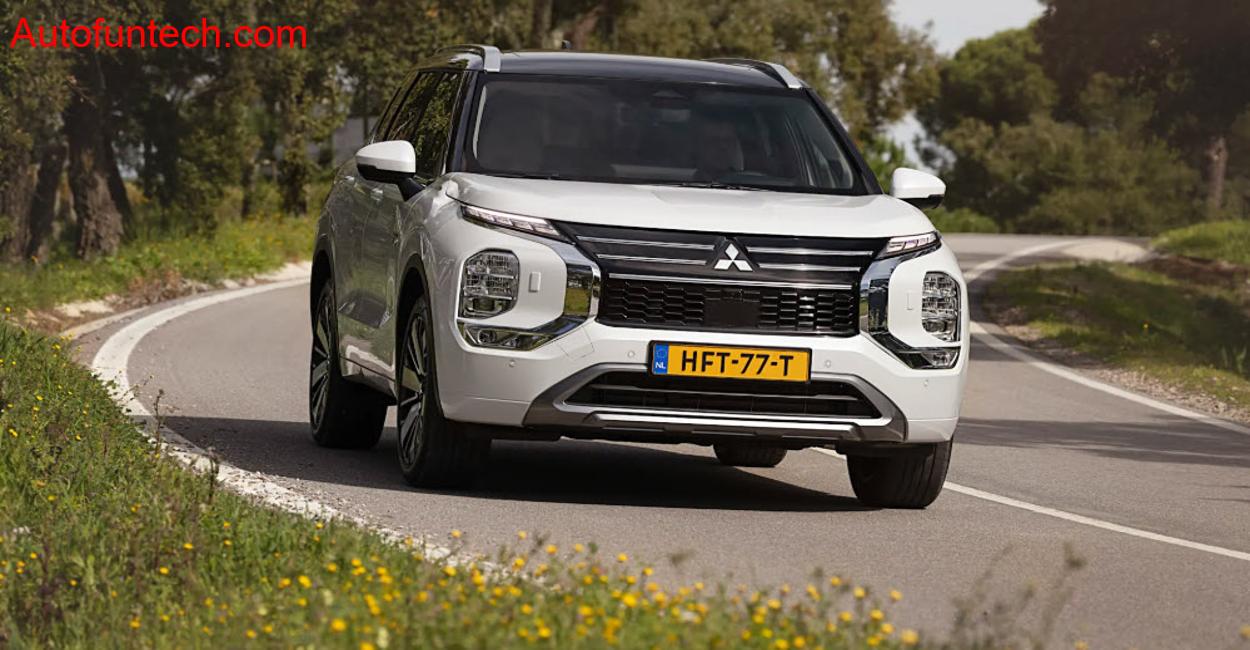
The Outlander has returned to German soil in its fourth generation, wearing sharp lines and a far more commanding posture than before. It’s no longer the underdog, it’s matured, grown bolder, and ready to compete. The split LED headlights, broad grille, and athletic stance make it look like a cousin to something from a premium German badge.
But this isn’t just about looks. Mitsubishi has brought something else to the table: a plug-in hybrid system that combines practicality with performance. After a few minutes behind the wheel, it was clear this SUV wasn’t content just to cruise, it wanted to drive.
The Chiemgau roads are a real test. The winding climbs and fast descents demand a lot from both the engine and suspension. With icy shadows stretching across the tarmac, grip, torque distribution, and brake feel all come into play. The Outlander handled it with surprising confidence.
Cabin Quality That Rivals the Alps’ Tranquility
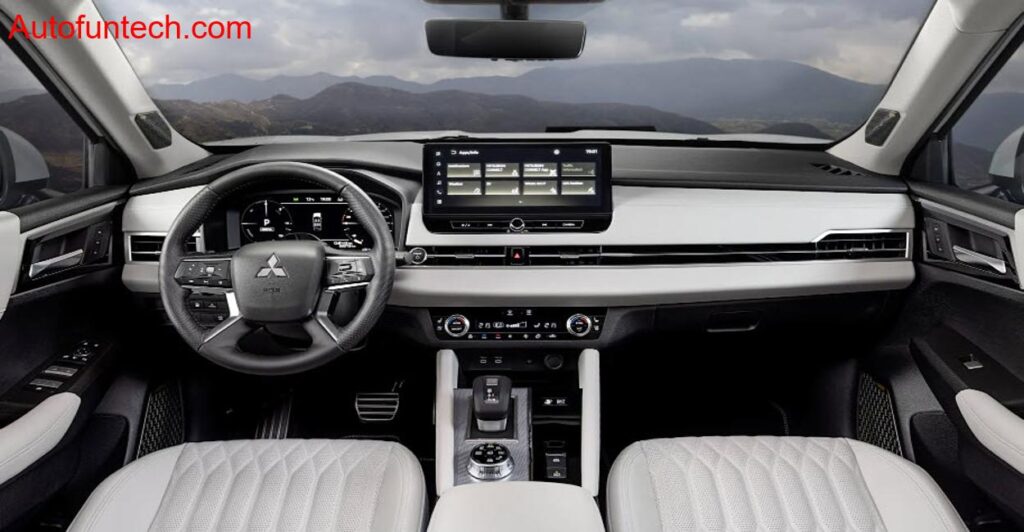
Inside the car, things felt far removed from the harsh, frozen world outside. As I settled into the plush driver’s seat, upholstered in soft synthetic leather with heated functionality, it was easy to forget this was a mass-market Japanese SUV. The stitching was precise, materials well-finished, and everything felt thoughtfully put together.
What I appreciated most during the long stretches of driving was the quiet. Whether I was gliding in full EV mode or letting the petrol engine kick in on steeper gradients, the cabin remained cocooned from noise. Even the switch from electric to hybrid mode was buttery smooth, no clunks, no jolts, just seamless propulsion.
The 12.3-inch digital cluster was intuitive, and the center touchscreen, also 12.3 inches, was crisp and responsive. I synced my phone via Apple CarPlay and let a playlist roll as the Yamaha sound system’s 12 speakers transformed the cabin into my personal concert hall.
But not everything was zen. Some of the driver assistance alerts were borderline nagging. A single glance toward the speedometer triggered the attention assist alarm. The speed warning beeped every time I edged 2 km/h above the limit. After a while, I went through the menus and disabled most of them. In a car this refined, I didn’t need constant electronic supervision.
Performance in the Real World: The Alps Don’t Lie
Let’s talk driving. Because that’s where the Outlander genuinely surprised me. Beneath its hood is a 2.4-liter four-cylinder petrol engine. Pair that with two electric motors, one on each axle, and you get a total system output of 306 horsepower. That’s not just paper power. It’s real, usable thrust.
On the way up to Reit im Winkl, the switchbacks were tight and relentless. I switched to “Power” mode, and the Outlander surged forward like a much smaller car. It doesn’t just climb, it conquers. The 0–100 km/h sprint in 7.9 seconds feels brisk, not blistering, but entirely appropriate for an SUV this size.
Then came the descent, where regenerative braking became a star player. You can toggle between several regen levels, and I kept it at maximum for those long, engine-braking alpine drops. It felt natural and helped extend the EV range.
On the flats, I let the Outlander cruise in EV mode. The 22.7 kWh battery promised 86 km of electric range, and I managed just under 70 km on country roads, even with the heater running and occasional throttle jabs. That’s respectable.
Charging: Where the Past Creeps In
If there’s one area where the Outlander feels behind the curve, it’s charging. Mitsubishi stuck with the CHAdeMO standard, a Japanese connector that’s becoming increasingly rare in Europe. That meant I couldn’t fast charge at the nearest CCS station. Instead, I had to plug it into a 3.7 kW AC charger at my guesthouse in Ruhpolding.
From empty to full took over six hours. Not ideal, but manageable overnight. For city dwellers without home chargers, this setup could become a daily hassle. Especially when public stations start penalizing idle time after four hours.
On the bright side, there’s a V2L (vehicle-to-load) feature that lets you power devices up to 1,500 watts. I brewed coffee with a travel espresso maker on the tailgate before sunrise. It felt absurd and luxurious all at once.
Space, Comfort, and Utility
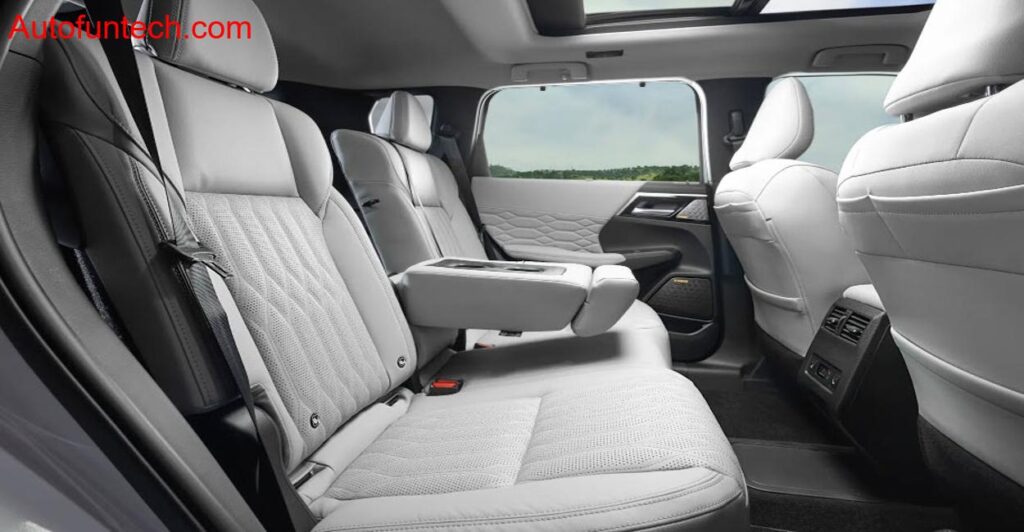
The Outlander is a legitimate family SUV. There’s room to breathe in the second row, and even with the third-row seats stowed flat, the trunk offers 495 liters, more than enough for snowboards, winter gear, and a full backpacking loadout.
Suspension tuning deserves a nod, too. Mitsubishi has struck a rare balance between sporty firmness and genuine comfort. I didn’t feel any body roll through the bends, but the ride never got jarring, even over potholes on secondary alpine roads.
The steering is responsive but not twitchy, and the all-wheel-drive system confidently distributes power where it’s needed. It gave me confidence on snow-dusted curves and gravelly pull-offs.
Trim Levels, Pricing, and Ownership Experience
There are four trim levels, Base, Plus, Intro Edition, and Top. The Base trim already includes LED headlights, automatic climate control, keyless entry, and a raft of safety features. The Top trim, at €59,490, gives you heated leather seats, a panoramic roof, and a heads-up display.
But what stood out for me was the warranty: five years standard, extended to eight with regular servicing. That shows confidence in the product, and peace of mind for buyers.
Technical Specifications
| Specification | Mitsubishi Outlander PHEV (2025) |
| Engine Type | Plug-in hybrid |
| Displacement (Combustion Engine) | 2,360 cc |
| System Power (kW / HP) | 225 kW / 306 HP |
| Drive Type | All-wheel drive (Front + Rear electric) |
| Electric Motors | Front: 85 kW / Rear: 100 kW |
| Battery Capacity (Gross) | 22.7 kWh |
| Electric Range (WLTP) | 85 km |
| Acceleration (0-100 km/h) | 7.9 seconds |
| Top Speed | 170 km/h |
| Fuel Tank Capacity | 53 liters |
| Combined Fuel Consumption (WLTP) | 0.8 l/100 km |
| CO₂ Emissions (WLTP) | 19 g/km |
| Combined Power Consumption (WLTP) | 23.4 kWh/100 km |
| Charging Power (AC / DC) | AC: 2.3–3.7 kW / DC: 40 kW (CHAdeMO) |
| Trunk Volume | 495 liters |
Conclusion: The Comeback Kid Is Better Than Ever
There’s something poetic about driving a resurrected icon through one of Germany’s most timeless landscapes. The Mitsubishi Outlander Plug-in Hybrid doesn’t just feel like a comeback, it feels like redemption. It blends comfort, capability, and low emissions in a way that feels both responsible and rewarding.
It may not have the badge prestige of a BMW X3 or Mercedes GLC, and its charging standard feels like a misstep. But if you have access to home charging and want an SUV that does long distances, school runs, and weekend escapes, all in one polished package, this Outlander deserves your full attention.
As the sun set behind the Bavarian peaks, casting a golden hue across the snow, I stood by the car sipping coffee brewed from its battery, and I couldn’t help but smile. This wasn’t just a test drive. It was a reunion with an old friend who had grown up, found its purpose, and come back stronger.
Leave a Comment